
Delivery Isn’t About Convenience — It’s About Control
Why Delivery Has Been Framed Incorrectly for Years
For a long time, delivery has been sold as a luxury.
An upgrade.
A courtesy.
A nice-to-have.
That framing is wrong.
Delivery is not about pampering the client — it’s about who controls the process.
And in transportation, control is everything.
The Real Problem Clients Are Trying to Avoid
When clients choose delivery, they are not thinking about comfort.
They are trying to avoid:
Uncertainty
Extra coordination
Schedule disruptions
Hidden friction
What they want is continuity.
They want life to keep moving without having to reorganize their day around a rental.
Why Pickup Still Creates Unnecessary Risk
Even when pickup is “easy,” it introduces variables:
Traffic
Parking
Timing conflicts
Miscommunication
Each variable increases the chance that something feels off before the rental even starts.
Delivery removes those variables by design.
Control Begins Before the Vehicle Arrives
Good delivery doesn’t start when the car shows up.
It starts with:
Clear confirmation
Defined time windows
Precise location alignment
When those pieces are handled early, delivery feels calm instead of rushed.
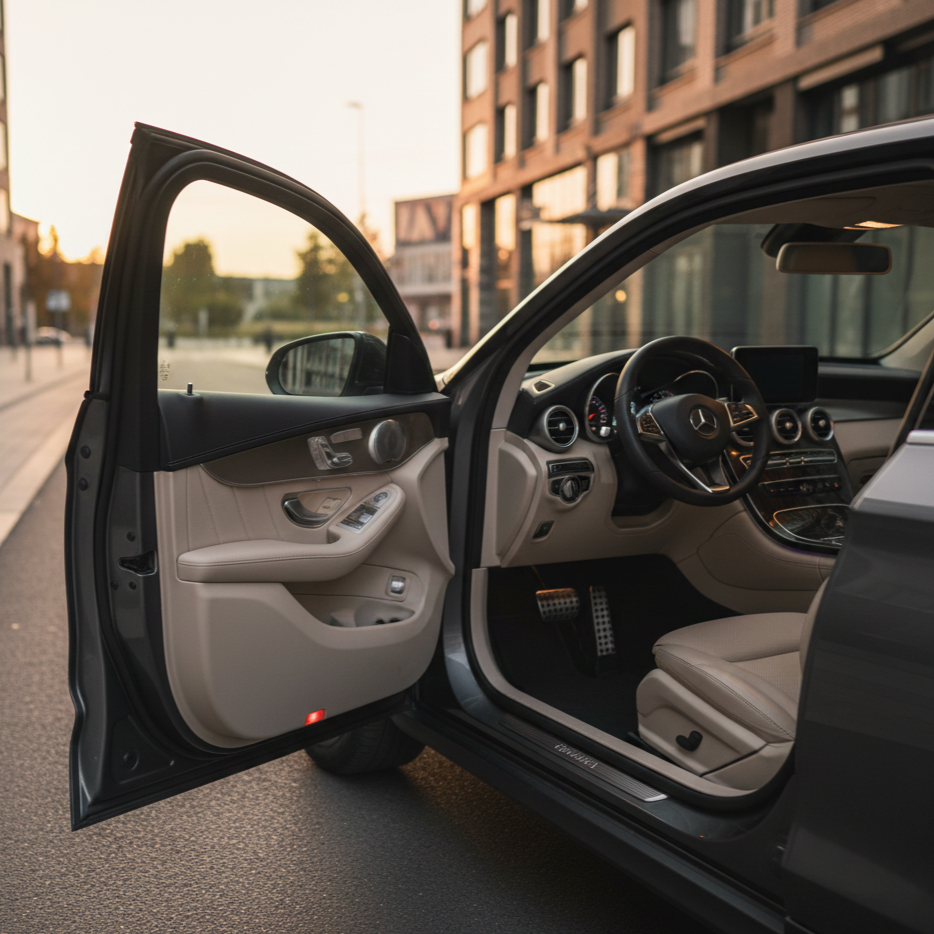
The Difference Between Arrival and Handoff
Most companies focus on arrival.
But what clients remember is the handoff.
A proper handoff feels:
Organized
Intentional
Complete
No unanswered questions.
No loose ends.
No “just text me if anything comes up.”
Why Delivery Forces Operational Discipline
Delivery exposes weaknesses instantly.
You can’t improvise:
Timing
Preparation
Vehicle readiness
Every delivery is a real-time audit of the company’s internal systems.
That’s why companies that do delivery well tend to operate better overall.
Regional Delivery Changes the Entire Use Case
When delivery extends beyond one city, the service stops being situational.
Delivery to areas like Clearwater or Sarasota means the rental can support:
Multi-day personal transitions
Family logistics
Professional commitments outside the city
Temporary replacements without disruption
The vehicle becomes part of the client’s routine, not an interruption to it.
Why Clients Don’t Want to Coordinate — They Want to Delegate
There’s a subtle but important difference.
Coordination means:
Checking in
Confirming details
Managing timing
Delegation means:
Trusting the system
Receiving updates
Letting go
Clients choosing delivery are choosing delegation.
The Psychological Impact of a Smooth Delivery
When delivery works well, clients feel:
Relieved
Confident
In control
Even if they never consciously think about it.
That emotional state shapes how they experience the entire rental.
When Delivery Goes Wrong, Everything Feels Wrong
A late delivery doesn’t just delay a schedule.
It:
Creates doubt
Raises tension
Changes expectations
From that moment on, the client is watching more closely — and trusting less.
Why Clear Boundaries Improve Delivery Quality
Strong delivery systems are specific.
They define:
Time frames
Responsibilities
Expectations
This clarity prevents misunderstandings and protects both sides.
Flexibility without structure is chaos.
Delivery as a Reflection of Brand Maturity
Any company can promise delivery.
Only mature operations can execute it consistently.
When delivery feels smooth, it signals:
Experience
Preparation
Respect for the client’s time
No slogans required.
The Long-Term Effect of Getting Delivery Right
Clients who experience seamless delivery:
Return more often
Ask fewer questions
Trust faster
Because the process didn’t demand their attention.
Delivery Is Where the Experience Becomes Real
Marketing creates expectations.
Delivery either confirms them or destroys them.
When done correctly, delivery doesn’t feel like a feature.
It feels like things simply worked — exactly as they should.
