
The Invisible Architecture of Trust
The Real Product Is Not the Car
Most people think they are renting a vehicle.
They are not.
They are renting certainty.
They are renting predictability.
They are renting emotional safety in an unfamiliar moment.
In competitive markets like Tampa Bay, the brands that grow are not necessarily the ones with the newest fleet or the flashiest vehicles. The ones that scale sustainably are the brands that understand something deeper: trust is engineered long before the key touches the ignition.
This blog explores the invisible systems behind premium rental brands — the operational, psychological, and experiential design choices that create confidence before the customer ever drives away.
1. First Contact: Where Trust Is Either Built or Broken
The trust journey begins before the reservation.
It begins at:
Website load speed
Clarity of pricing
Tone of messaging
Transparency of policies
Response time to inquiries
Premium rental brands understand that uncertainty creates friction. Friction creates hesitation. Hesitation reduces conversion.
That is why elite operators invest in:
Clear cancellation policies
Transparent security deposit terms
Honest vehicle photos
Straightforward insurance explanations
Rapid response systems
When a customer reads your site and thinks,
“This feels clear,”
you have already won half the battle.
SEO impact: Pages that clearly answer pricing, deposits, mileage limits, and insurance questions rank better because they match search intent such as:
“car rental deposit requirements”
“luxury car rental insurance explained”
“best rental car company with no hidden fees”
Trust converts traffic into revenue.
2. The Psychology of Control
When people rent a vehicle, they are often in transitional states:
Travel
Business trips
Relocation
Vehicle breakdown
Special occasions
Transitional moments increase stress.
Stress increases the need for control.
Premium rental brands give customers control through:
Digital confirmations
Clear pickup instructions
Flexible pickup windows
Easy communication channels
Proactive updates
The best brands do not wait for customers to ask questions.
They anticipate them.
For example:
Instead of waiting for “Where do I park at return?”
You send a clear return map beforehand.
Instead of waiting for “What if my flight is delayed?”
You outline your late arrival policy in advance.
This anticipatory clarity is what separates transactional companies from premium operators.
3. Vehicle Condition Is a Communication Tool
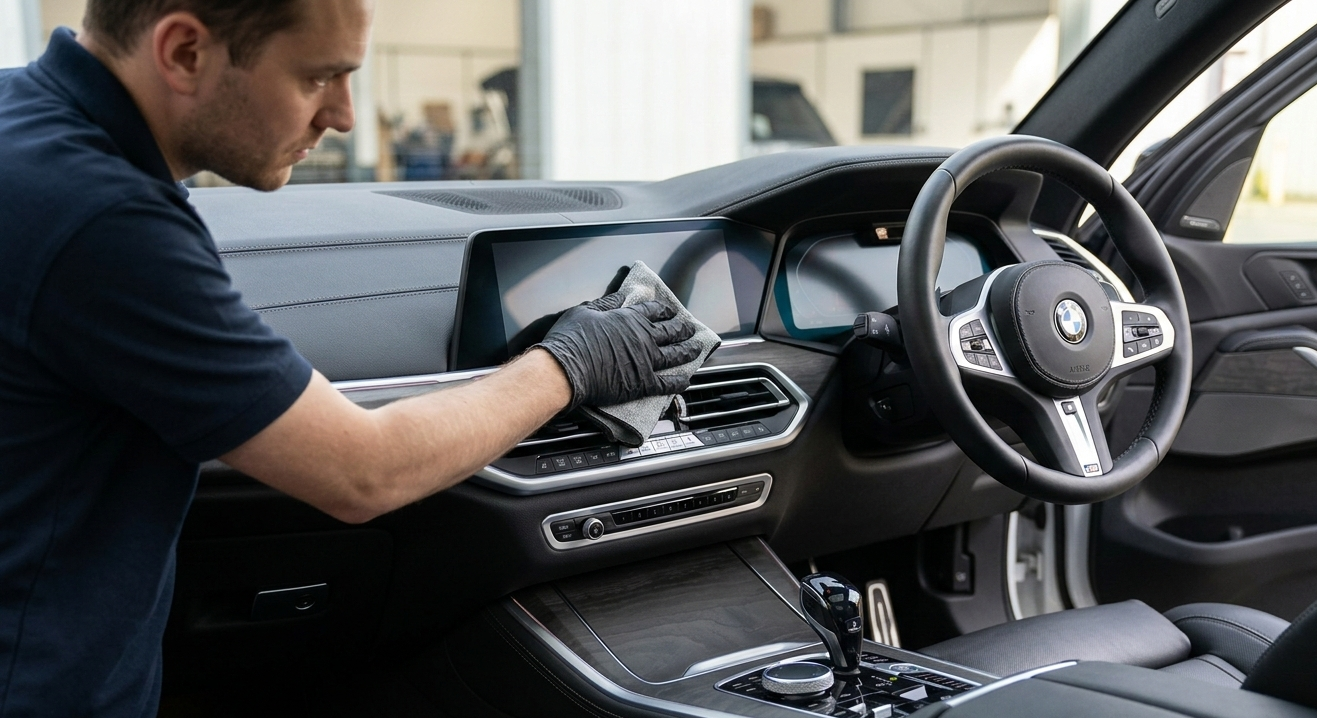
A spotless vehicle does more than look good.
It communicates:
Respect
Precision
Professionalism
Standards
When a customer opens the door and smells cleanliness, sees no warning lights, notices full fuel, and experiences flawless interior presentation, the message is clear:
“This company pays attention.”
Details that matter:
Tire condition
Brake feel
Interior scent
Screen responsiveness
Clean floor mats
Fully charged batteries in key fobs
These are micro-moments of reassurance.
And reassurance builds loyalty.
4. Service Recovery: Where Premium Brands Separate Themselves
No system is perfect.
Flights get delayed.
Customers misunderstand policies.
Mechanical issues happen.
The difference between average and premium brands is not the absence of problems.
It is the response to problems.
Elite operators follow a simple framework:
Acknowledge immediately
Take ownership
Offer a solution
Follow up
Customers rarely remember flawless experiences.
They remember how issues were handled.
Service recovery done correctly transforms frustration into advocacy.
5. Emotional Memory Outlasts the Rental Period
A rental might last three days.
But the emotional memory can last years.
What shapes that memory?
Ease of booking
Warmth of interaction
Absence of stress
Professional tone
Smooth return process
People return to brands that reduce cognitive load.
In markets like Tampa Bay, where options are abundant, emotional efficiency becomes a competitive advantage.
6. Operational Excellence Behind the Curtain
Premium rental brands quietly obsess over:
Fleet rotation cycles
Maintenance schedules
Insurance compliance
Documentation systems
Staff training
Brand tone consistency
Customers may never see these systems.
But they feel them.
And feeling matters more than seeing.

Trust Is the Product.
Premium car rental brands understand a fundamental truth:
The vehicle moves the customer physically.
The experience moves them emotionally.
When trust is engineered at every touchpoint — from SEO content to post-return follow-up — growth becomes predictable.
In today’s competitive mobility market, the brands that win are not those with the loudest marketing.
They are the ones with the quietest friction.
