Mobility as Strategy: How Smart Renters Use Vehicles as Tools, Not Expenses
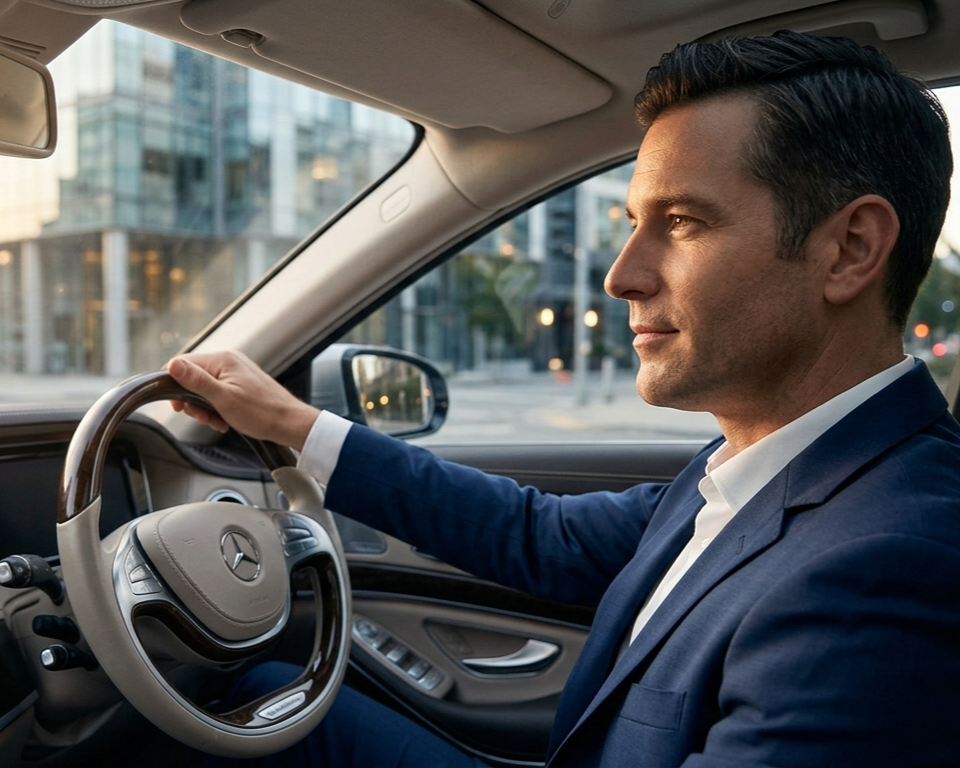
Stop Thinking About Car Rentals as Costs
Most people view car rentals as temporary expenses.
Smart individuals view them as strategic tools.
There is a fundamental shift happening in mobility behavior:
Access is replacing ownership in specific life moments.
This blog explores how modern professionals, entrepreneurs, and high-performers use rental vehicles strategically — for productivity, image, flexibility, and opportunity.
1. Renting During Vehicle Downtime: Preserving Momentum
When a personal vehicle goes into the shop, life does not pause.
Business meetings continue.
School drop-offs continue.
Client visits continue.
Strategic renters understand that downtime is expensive.
Waiting days without transportation can cost:
Missed deals
Lost productivity
Scheduling stress
Reputation damage
A temporary rental preserves:
Professional continuity
Daily routine
Mental stability
Mobility equals momentum.
2. Image as a Business Asset
Like it or not, perception influences opportunity.
Arriving at:
A client pitch
A real estate showing
A corporate event
A networking dinner
In a vehicle that aligns with your positioning matters.
This is not about ego.
It is about alignment.
Executives, entrepreneurs, and consultants often rent premium vehicles strategically when:
Closing high-value deals
Meeting investors
Hosting VIP clients
Attending high-level conferences
Image influences first impressions.
First impressions influence trust.
Trust influences revenue.
3. Financial Flexibility and Cash Flow Strategy
Owning a vehicle includes:
Depreciation
Insurance
Maintenance
Registration
Long-term financing
Renting, when used selectively, allows:
Short-term commitment
Expense categorization
No long-term asset depreciation
Flexibility in vehicle type
Some individuals strategically avoid upgrading personal vehicles and instead rent specific vehicles only when needed.
This keeps fixed expenses lower while preserving optionality.
4. Matching Vehicle to Purpose
Different moments require different tools.
Examples:
Airport transfers → Comfortable sedan
Family beach weekend → Spacious SUV
Executive event → Premium luxury model
Short-term relocation → Reliable daily driver
Owning one vehicle forces compromise.
Renting allows precision.
Precision improves experience.
5. Psychological Refresh and Performance
There is a subtle but real psychological effect when driving a refined vehicle:
Increased confidence
Elevated mood
Greater focus
Enhanced perception of capability
Environment influences performance.
High-performing individuals understand that surroundings matter.
Even temporary upgrades can reset mindset.
6. Travel Optimization in Tampa Bay
In regions like Tampa Bay, mobility affects:
Airport efficiency
Beach access
Business district navigation
Event attendance
Tourism flexibility
Strategic renters select vehicles based on:
Parking ease
Fuel efficiency
Passenger capacity
Luggage space
Mobility decisions shape travel efficiency.
Efficiency shapes experience.
Access Is Power
The future of mobility is not binary ownership vs. renting.
It is strategic access.
The smartest renters are not reacting to necessity.
They are using vehicles intentionally to:
Protect momentum
Enhance image
Preserve capital
Optimize experience
Maintain flexibility
A vehicle is not just transportation.
It is leverage.