Frictionless Travel: The Operational Blueprint Behind Truly Convenient Car Rentals
Convenience Is Designed, Not Promised
“Convenient car rental” is one of the most searched mobility phrases online.
But convenience is not a marketing adjective.
It is an engineered outcome.
In competitive markets like Tampa Bay, convenience determines conversion rates, customer retention, online reviews, and long-term brand equity. The difference between an average rental experience and a premium one is not the vehicle category — it is the reduction of friction across every stage of the customer journey.
This blog breaks down what truly makes a car rental convenient — from search intent to return logistics — and why the brands that optimize friction win both customers and search rankings.
1. Search Behavior: Where Convenience Begins
Convenience starts before the reservation.
Customers search phrases like:
“easy car rental near me”
“fast airport car rental Tampa”
“no hassle car rental”
“same day car rental available”
“car rental without long lines”
What these queries reveal is not just intent to rent — they reveal a desire to avoid stress.
Brands that rank and convert for these searches understand that:
Clear availability calendars reduce anxiety.
Transparent pricing reduces suspicion.
Mobile-friendly booking reduces abandonment.
Instant confirmations increase confidence.
If your website requires excessive clicks, unclear insurance explanations, or complicated verification steps, you lose before the engine starts.
True convenience is cognitive simplicity.
2. Pickup Logistics: Eliminating Uncertainty
The most stressful part of renting a vehicle is rarely the drive.
It is the pickup.
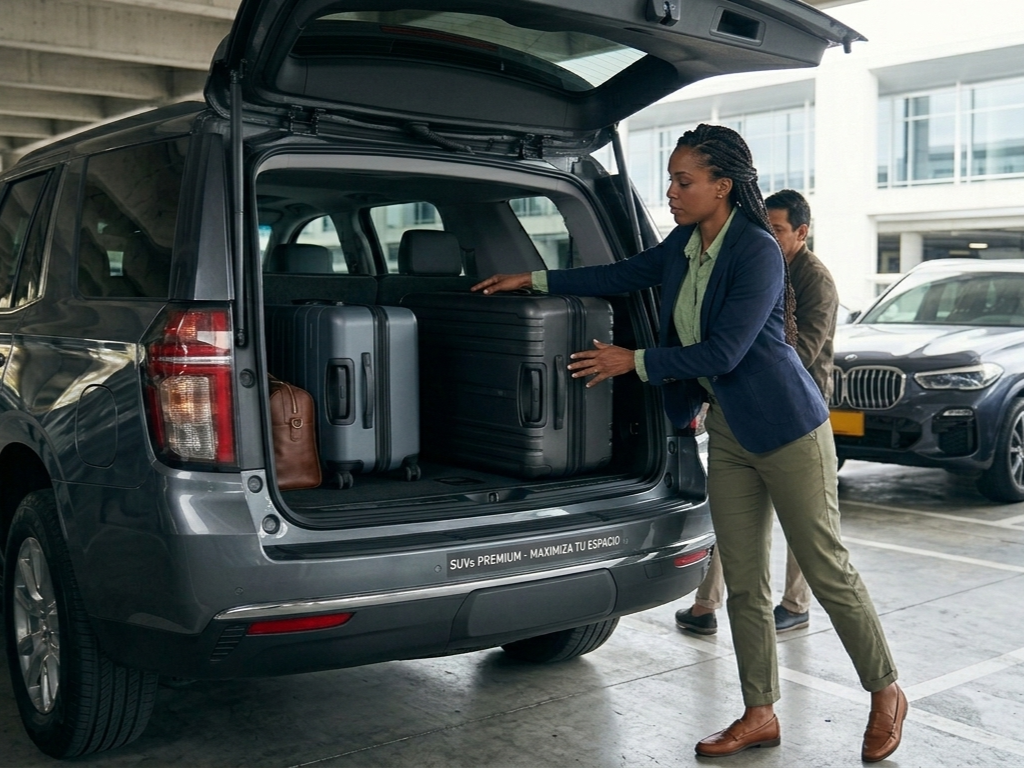
Airports amplify this stress:
Long flights
Luggage handling
Family coordination
Business schedule pressure
Convenient rental brands solve this by:
Providing exact pickup instructions in advance
Sharing parking garage locations clearly
Offering direct communication with a real person
Minimizing wait times
Synchronizing with flight tracking when possible
The best operators treat pickup like a choreographed handoff, not a transaction.
Every unclear instruction increases friction.
Every clarified detail reduces mental load.
Convenience is clarity in motion.
3. Documentation Efficiency: The Silent Differentiator
Customers dislike paperwork.
They dislike repetition even more.
Efficient brands streamline:
Digital document submission
License verification
Insurance validation
Security deposit authorization
The difference between uploading documents before arrival versus filling forms onsite can determine:
Review ratings
Repeat bookings
Word-of-mouth referrals
Time saved equals perceived value.
Even when pricing is similar, customers return to brands that respect their time.
4. Vehicle Readiness and Predictability
Nothing damages convenience more than:
Last-minute vehicle swaps
Warning lights
Low fuel
Incomplete cleaning
Missing accessories
Operational precision ensures:
The reserved category matches the delivered vehicle.
The vehicle is fully prepared before arrival.
All technology systems function properly.
Convenience is not flashy.
It is reliable.
Predictability builds trust.
Trust drives loyalty.
5. Return Process: The Final Memory Anchor
The last interaction defines the lasting impression.
Common pain points include:
Confusing drop-off instructions
Hidden charges
Delayed deposit returns
Unclear damage policies
Convenient rental brands:
Provide return instructions before the rental ends
Offer quick visual inspections
Communicate deposit timelines clearly
Send digital receipts immediately
When the return process feels seamless, the brand earns repeat business without additional marketing spend.
Retention is the most profitable form of growth.
6. Local Market Advantage in Tampa Bay
In a region like Tampa Bay, convenience includes understanding local patterns:
Beach traffic peaks
Airport congestion
Event schedules
Tourism cycles
Brands that optimize for local behavior create smoother experiences.
For example:
Advising customers on ideal pickup times.
Recommending vehicle types for coastal driving.
Planning fleet allocation around seasonal demand.
Convenience becomes strategic when it anticipates real-world behavior.
Convenience Is an Operational Discipline
Convenience is not a tagline.
It is a system.
It requires:
Clear communication
Efficient processes
Predictable vehicle quality
Streamlined documentation
Stress-free returns
In modern mobility, customers reward brands that reduce friction.
The future belongs to rental companies that engineer ease at scale.