
Power, Comfort, and Control in Perfect Proportion
Luxury Lives in the Middle, Not the Extremes
In the pursuit of luxury, many brands chase extremes. More power. More technology. More presence. More everything.
But true luxury does not live at the edge.
It lives in balance.
A vehicle that prioritizes only power becomes exhausting. One that focuses solely on comfort can feel detached. One obsessed with control risks rigidity.
Luxury emerges when power, comfort, and control coexist in proportion—when none dominates, and all support each other.
Why Extremes Create Short-Term Excitement, Not Long-Term Satisfaction
Extreme experiences are memorable, but rarely sustainable.
Extreme power demands constant restraint.
Extreme comfort can dilute engagement.
Extreme control can feel restrictive.
Luxury vehicles are not designed for moments—they are designed for lives.
Satisfaction grows not from intensity, but from harmony.
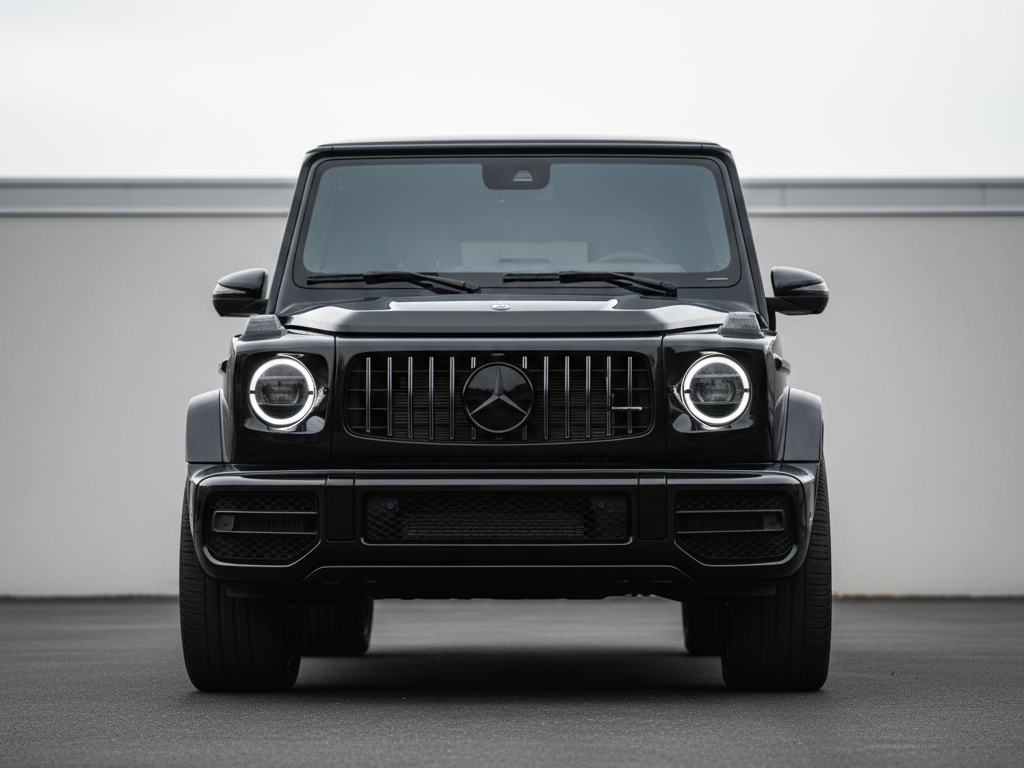
Power: When Strength Feels Natural, Not Aggressive
Power in luxury vehicles is not meant to intimidate.
True luxury power:
Arrives smoothly
Builds progressively
Remains accessible
It gives the driver confidence, not pressure.
Aggressive power creates urgency. Refined power creates reassurance.
The difference is not output—it is calibration.
Why Overpowered Cars Often Feel Less Luxurious
Excessive power can overwhelm daily driving.
When throttle inputs feel too sensitive, drivers must constantly regulate themselves. This creates tension and reduces enjoyment.
Luxury power is measured not by peak numbers, but by usability.
A powerful luxury vehicle should feel relaxed at all times—even when delivering strength.
Comfort: More Than Softness
Comfort is often misunderstood as softness.
Luxury comfort includes:
Postural support
Thermal balance
Acoustic refinement
Visual calm
True comfort allows the body to relax without disengaging the mind.
A comfortable luxury car keeps the driver alert, not drowsy.
Why Comfort Must Support Awareness
Over-isolated vehicles can disconnect drivers from the road entirely. This creates detachment rather than confidence.
Luxury comfort is intelligent—it filters chaos while preserving clarity.
The driver remains aware, but never strained.
This balance defines refinement.
Control: The Foundation of Trust
Control is the silent backbone of luxury.
Without control:
Power feels dangerous
Comfort feels unstable
Confidence erodes
Luxury control manifests through predictability.
The driver knows exactly how the vehicle will respond—before it happens.
Why Control Should Feel Invisible
When control systems draw attention to themselves, luxury suffers.
Luxury control:
Operates subtly
Intervenes discreetly
Supports rather than corrects
The driver feels capable, not supervised.
This invisibility reinforces trust.
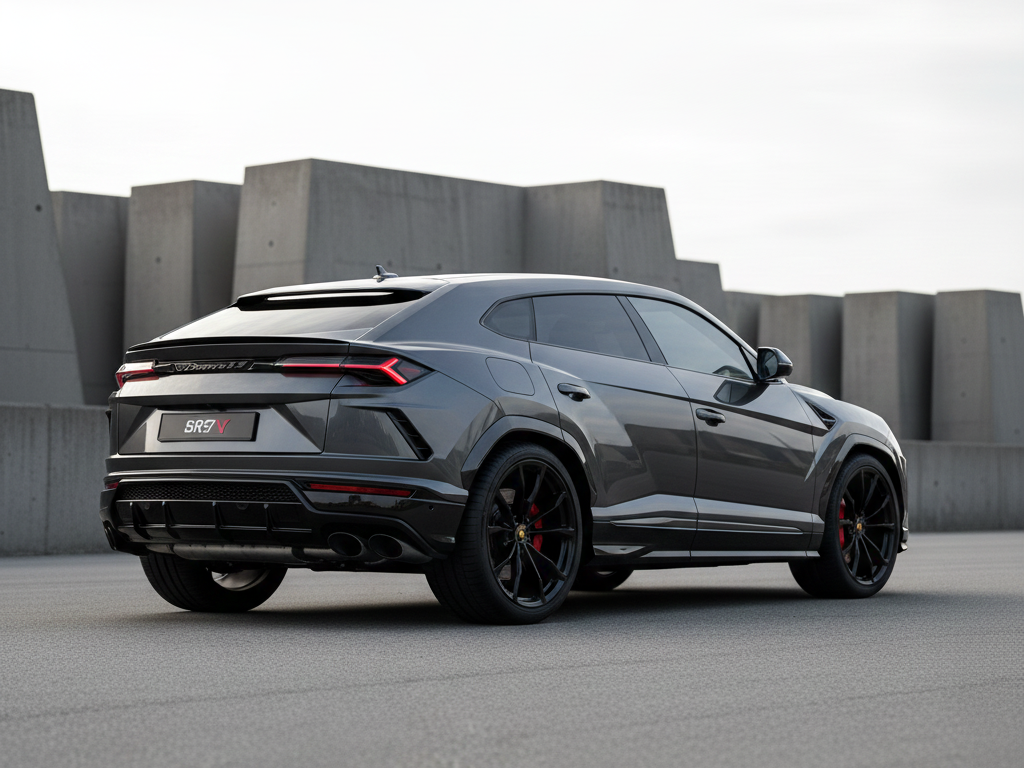
The Triangle of Balance: Power, Comfort, Control
Remove any corner of the triangle and luxury collapses.
Power without comfort becomes stressful
Comfort without control becomes dull
Control without power feels restrictive
Luxury exists when all three reinforce one another.
Balance is not compromise—it is precision.
How Balance Changes Driving Behavior
Balanced vehicles influence behavior subtly.
Drivers:
Accelerate smoothly
Brake progressively
Maintain composure
This behavior is not forced—it emerges naturally.
Luxury vehicles teach calmness through design.
Why Balanced Cars Age Better Than Extreme Cars
Extreme vehicles rely on novelty.
Balanced vehicles rely on satisfaction.
As novelty fades, imbalance becomes noticeable. Balanced cars remain enjoyable because they were never built to shock.
They were built to last.
The Role of Restraint in Achieving Balance
Restraint is the most expensive ingredient in luxury.
It requires:
Engineers to limit excess
Designers to avoid trends
Brands to prioritize experience over headlines
Restraint ensures coherence.
Luxury brands that master restraint produce vehicles that feel timeless rather than dated.
Why Balance Is a Sign of Engineering Maturity
Immature engineering chases numbers.
Mature engineering refines experience.
Balance reflects confidence—the confidence to deliver exactly what is needed and nothing more.
This maturity is felt immediately, even if it cannot be articulated.
How Balance Reduces Mental Fatigue
Balanced vehicles reduce decision-making effort.
The driver does not need to:
Constantly adjust inputs
Compensate for extremes
Anticipate instability
Mental energy is preserved.
This preservation enhances well-being beyond the drive itself.
Luxury as Emotional Stability
Luxury is often associated with pleasure, but its deeper value lies in stability.
Balanced vehicles stabilize emotion by:
Reducing stress
Encouraging patience
Supporting focus
Luxury becomes a mental environment, not just a physical one.
Why Balance Is Personal, Not Universal
Balance is subjective.
Some drivers prefer slightly more power. Others prefer more comfort. Some value engagement, others serenity.
Luxury does not enforce balance—it adapts to preference within refinement.
The best luxury vehicle feels balanced to you.
Access Allows Balance to Evolve
Access enables exploration.
Drivers can experience different interpretations of balance:
Sport-forward balance
Comfort-forward balance
Control-forward balance
This freedom prevents dissatisfaction and deepens understanding of personal taste.
Why Balanced Luxury Feels Effortless
Effortlessness is the result of balance.
When power, comfort, and control align, the vehicle stops demanding attention. Driving becomes intuitive rather than deliberate.
Effortlessness is not absence of capability—it is mastery.
The Final Measure of Luxury
Luxury is not defined by admiration or envy.
It is defined by how a vehicle supports your state of mind.
If a car makes you calmer, more confident, and more present—it is luxurious.
Balance makes this possible.
Balance Is the Highest Expression of Luxury
Luxury does not shout.
Luxury does not rush.
Luxury does not overwhelm.
Luxury balances.
When power feels natural, comfort feels supportive, and control feels invisible, the driving experience becomes something rare—something complete.
That is not coincidence.
That is design at its highest level.
