
The Hidden Value of Seamless Engineering
Effort Is the Opposite of Luxury
Effort is rarely discussed in automotive marketing, yet it defines the driving experience more than speed, design, or technology.
A vehicle that demands constant correction, attention, or adaptation may be impressive—but it is not luxurious.
Luxury begins where effort disappears.
The most refined vehicles do not ask the driver to adjust to them. They adapt to the driver instinctively, quietly, and continuously. When this happens, driving becomes less of an action and more of a state.
The Illusion That Engagement Equals Quality
Many drivers associate engagement with quality. Heavy steering, stiff suspensions, sharp throttle response—these sensations can feel “sporty,” but they often mask inefficiency.
True refinement does not announce itself.
It reveals itself through absence:
Absence of harshness
Absence of unpredictability
Absence of fatigue
Luxury engineering focuses on removing friction rather than amplifying sensation.
Seamless Engineering: What It Actually Means
Seamlessness is not a single feature. It is the result of hundreds of small decisions working together.
It includes:
How the transmission shifts under partial throttle
How suspension adapts to imperfect surfaces
How steering weights itself at different speeds
How braking pressure builds progressively
When these systems communicate perfectly, the driver stops noticing transitions.
The vehicle feels whole.
Why Transitions Matter More Than Extremes
Anyone can engineer extremes—maximum speed, maximum torque, maximum stiffness.
Luxury lives in transitions:
From acceleration to cruising
From braking to stopping
From rough pavement to smooth road
Poor transitions create tension. Smooth transitions create trust.
Trust allows relaxation. Relaxation defines luxury.
Cognitive Load and Driving Fatigue
Driving is not just physical—it is cognitive.
Every correction, adjustment, or unexpected response consumes mental energy. Over time, this leads to fatigue even if the driver doesn’t consciously notice it.
Luxury vehicles reduce cognitive load by:
Responding predictably
Filtering unnecessary feedback
Supporting intuitive decision-making
The driver arrives less tired than when they left.
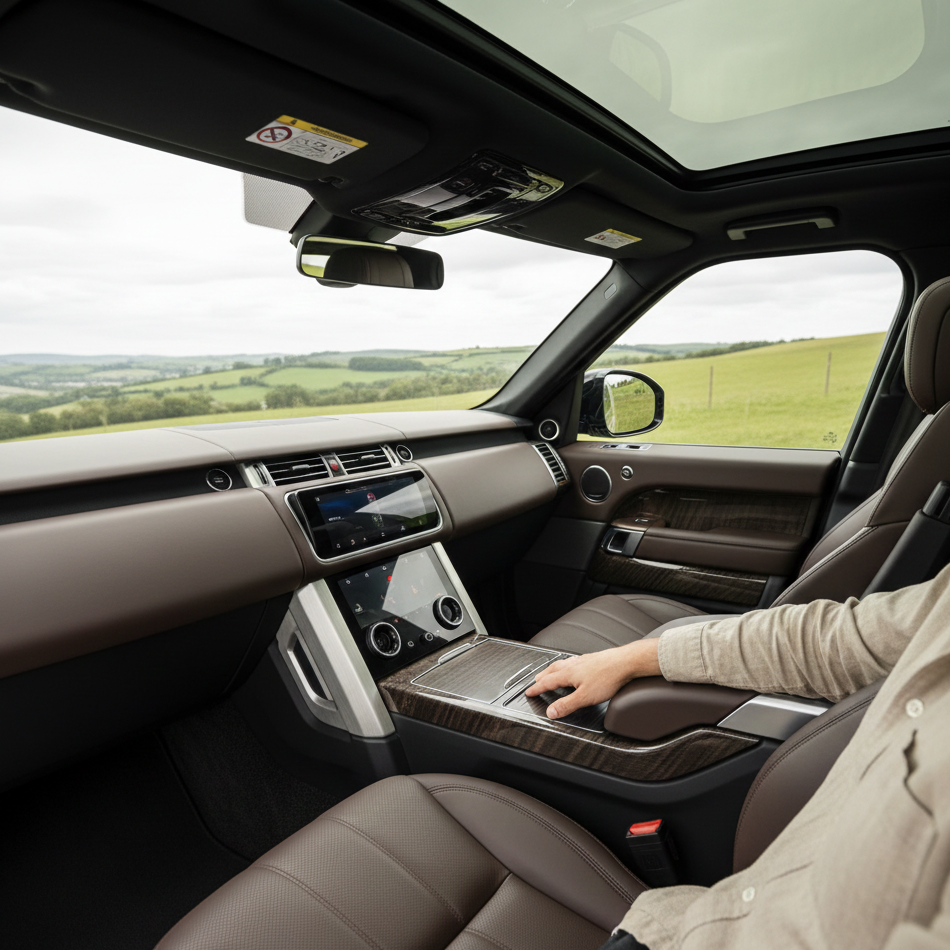
Why Smooth Power Feels Stronger Than Raw Power
Raw power excites in short bursts. Smooth power sustains confidence.
Luxury vehicles deliver power progressively, allowing the driver to feel in control rather than reactive. Acceleration feels composed, not explosive.
This controlled delivery creates a sense of competence rather than aggression.
Luxury strength is quiet.
Steering That Supports, Not Challenges
Steering is one of the most misunderstood elements of driving feel.
Heavy steering is often mistaken for precision. In reality, well-tuned steering provides:
Clear information
Minimal correction
Natural centering
Luxury steering does not fight the driver. It collaborates.
The result is confidence without effort.
Suspension as a Translator, Not a Filter
Luxury suspension systems don’t eliminate road feedback—they translate it.
The driver feels:
Stability without harshness
Feedback without discomfort
Control without stiffness
This balance allows awareness without stress.
A luxury vehicle feels planted, not rigid.
The Role of Predictability in Trust
Predictability builds trust faster than excitement.
When a vehicle behaves consistently across conditions, the driver stops anticipating problems. Attention shifts outward—to conversation, music, or thought.
This mental freedom is one of luxury’s most undervalued benefits.
Why Effortless Driving Improves Presence
Effortless driving changes behavior.
Drivers:
Sit differently
Breathe more evenly
React less impulsively
This composure extends beyond the vehicle. Arrival feels calmer. Interactions feel smoother.
Luxury influences demeanor, not just movement.
Technology That Works Quietly Is the Most Luxurious
Technology becomes intrusive when it demands attention.
Luxury technology:
Anticipates rather than interrupts
Supports rather than corrects
Feels intuitive rather than instructional
When technology disappears into the background, luxury emerges.
The Cost of Over-Engineering
More systems do not equal better experience.
Over-engineered vehicles often suffer from:
Conflicting inputs
Delayed responses
Sensory overload
Luxury engineering prioritizes harmony over complexity.
Simpler experiences often require more advanced engineering.
Why Effortless Does Not Mean Boring
Effortless driving does not eliminate engagement—it refines it.
Drivers remain aware, involved, and connected—but without strain. Enjoyment becomes sustainable rather than intense.
Luxury engagement feels natural, not forced.
How Seamless Engineering Ages Better
Vehicles that rely on novelty lose appeal as excitement fades.
Vehicles built on seamless engineering:
Feel relevant longer
Remain satisfying with familiarity
Improve with understanding
Luxury matures gracefully.
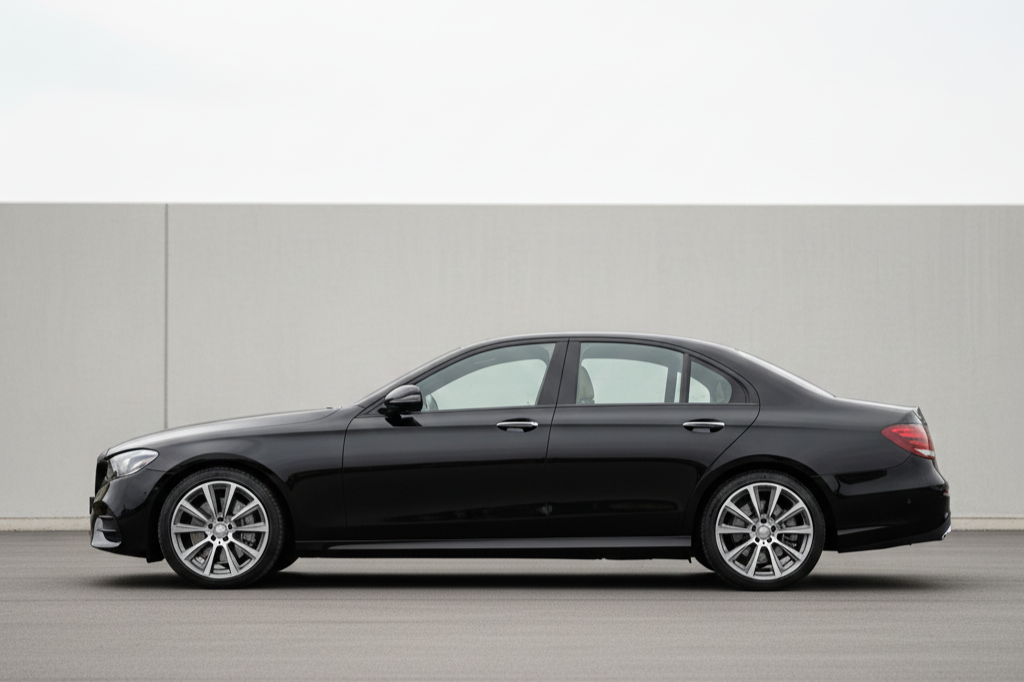
The Emotional Result of Effortless Motion
When effort disappears, emotion stabilizes.
Drivers feel:
More confident
More patient
More present
Luxury does not stimulate emotion—it balances it.
Why Effortlessness Is the Ultimate Indicator of Quality
Luxury quality is not revealed in extremes but in normal use.
Daily driving exposes:
Calibration quality
Design coherence
Engineering maturity
Vehicles that feel effortless every day are the true benchmarks of luxury.
Conclusion: When the Car Stops Asking, Luxury Begins
The highest compliment a luxury vehicle can receive is invisibility—not because it is forgettable, but because it is perfectly aligned.
When a car stops asking for attention, effort, or correction, it allows the driver to simply exist within the experience.
Luxury is not about doing more.
Luxury is about needing less.
