
Why Taste Matters More Than Trends
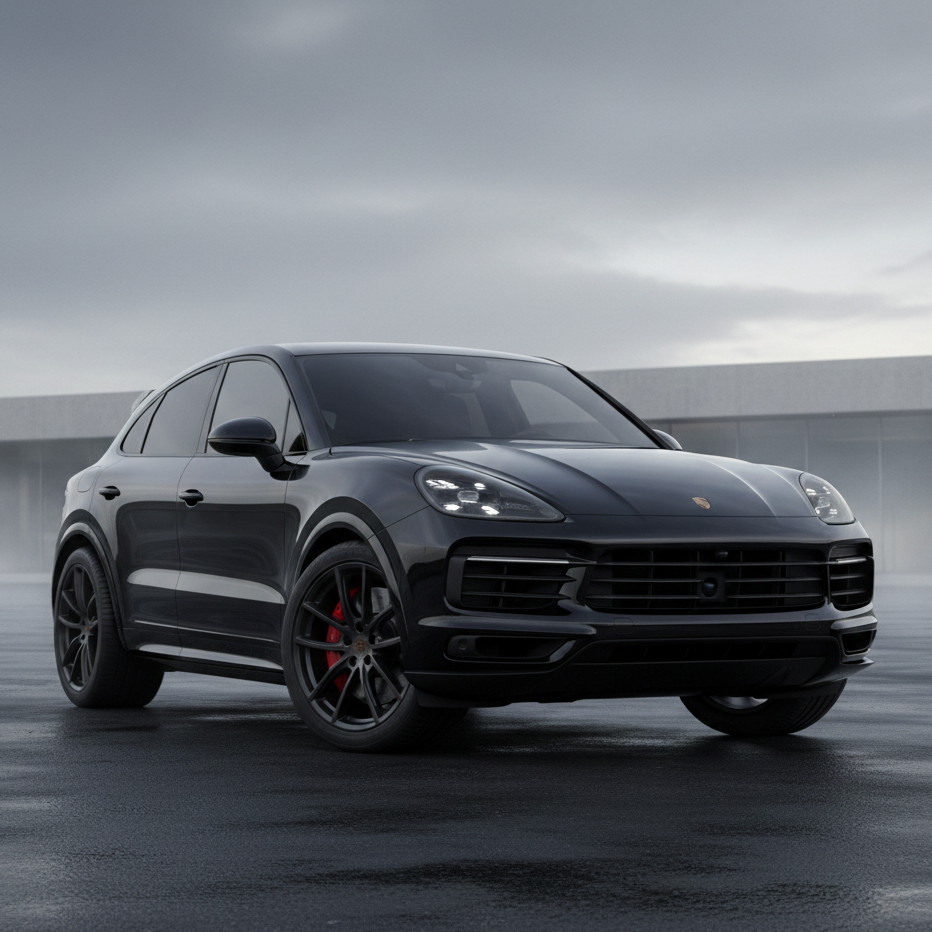
Luxury Has Never Been About Consensus
Luxury is often misunderstood as something universal—something everyone should agree on. The most awarded car. The most expensive model. The vehicle with the most attention online.
But true luxury has never worked that way.
Luxury has always been personal. It resists consensus. It lives in taste, not trends. When a choice feels luxurious, it’s not because others approve—it’s because it resonates internally.
Choosing a luxury car is not about selecting the “best” option.
It is about choosing the experience that aligns with who you are.
Why Trends Are the Enemy of Authentic Luxury
Trends are designed for mass appeal. Luxury is not.
Trends push exaggeration—bigger screens, louder designs, sharper lines, more aggressive styling. Luxury moves in the opposite direction: toward balance, refinement, and intention.
When a vehicle is designed to chase attention, it often sacrifices harmony. What feels impressive on day one can feel exhausting months later.
Luxury vehicles are not built to shock.
They are built to endure.
Taste as a Form of Intelligence
Taste is not instinct—it is developed perception.
Drivers with refined taste recognize:
When design elements are cohesive
When performance feels natural rather than forced
When comfort supports focus instead of dulling it
Taste allows someone to appreciate subtlety over spectacle.
This is why two people can sit in the same car and have completely different reactions. One sees power. The other feels tension.
Luxury reveals taste rather than dictating it.
The Difference Between Wanting and Needing a Statement
Some vehicles exist to announce presence. Others exist to support experience.
Neither approach is wrong—but confusing them leads to dissatisfaction.
A statement-driven vehicle delivers:
Immediate attention
Strong emotional spikes
Visual dominance
An experience-driven vehicle delivers:
Calm confidence
Long-term comfort
Emotional consistency
Luxury drivers who understand themselves choose intentionally rather than impulsively.
Why Quiet Luxury Feels More Powerful Over Time
Quiet luxury does not demand validation.
Vehicles that embody quiet luxury:
Avoid excessive branding
Prioritize balance over aggression
Feel composed in all environments
These vehicles grow more satisfying with time because they do not rely on novelty.
The absence of noise—visual and emotional—creates space for appreciation.
How Design Philosophy Shapes the Driving Experience
Every luxury vehicle is a reflection of a design philosophy.
Some brands emphasize precision.
Others emphasize comfort.
Others emphasize performance expression.
When design philosophy aligns with the driver’s values, the experience feels intuitive. When it doesn’t, friction appears.
Luxury discomfort often comes from misalignment—not from lack of quality.
Why Some People Love Sporty Luxury—and Others Don’t
Sport-oriented luxury vehicles prioritize engagement:
Tighter suspensions
Faster responses
More feedback
For drivers who enjoy involvement, this feels alive.
For others, it feels demanding.
Neither response is wrong.
Luxury becomes frustrating when drivers choose vehicles based on reputation rather than preference.
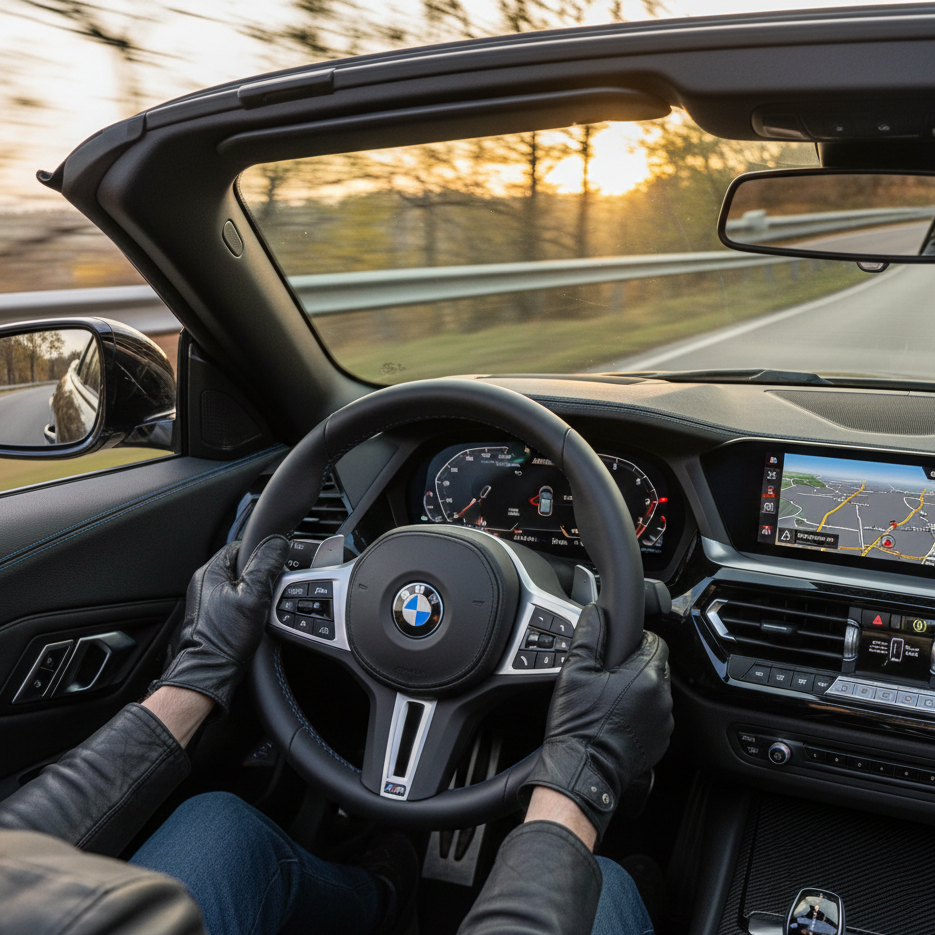
The Emotional Cost of Choosing the Wrong Luxury Car
A poorly matched luxury vehicle doesn’t feel bad—it feels wrong.
Symptoms include:
Driving less than expected
Feeling tense during routine trips
Losing excitement faster than anticipated
This happens when drivers choose based on image rather than experience.
Luxury should feel like relief, not obligation.
Why Comfort Is Often Undervalued—Until It’s Gone
Comfort is invisible when present and impossible to ignore when absent.
Luxury comfort goes beyond soft seats. It includes:
Ergonomic positioning
Cabin balance
Predictable responses
Comfort allows drivers to focus outward—on conversation, music, or thought—rather than inward on managing the vehicle.
This mental freedom is one of luxury’s most valuable benefits.
Control vs. Engagement: Understanding Your Driving Personality
Every driver exists somewhere on a spectrum.
Some value:
Engagement
Feedback
Sensation
Others value:
Stability
Smoothness
Effortlessness
Luxury offers both—but rarely in equal measure.
Choosing correctly requires honesty, not aspiration.
Why Luxury Is About Consistency, Not Peaks
Peak experiences are memorable—but inconsistent.
Luxury vehicles are designed for:
Daily reliability
Emotional steadiness
Predictable satisfaction
This consistency builds trust. And trust builds enjoyment.
A car that feels “great sometimes” is less luxurious than one that feels “right always.”
The Role of Restraint in Luxury Design
Restraint is expensive.
It requires designers and engineers to say no—to excess power, excess styling, excess features—until balance is achieved.
Restraint is what separates premium from luxury.
Luxury is not what is added.
It is what is removed.
Why Maturity Changes Luxury Preferences
As drivers gain experience, priorities evolve.
Early preferences favor excitement.
Later preferences favor ease.
Luxury does not disappear—it refines.
Many drivers eventually realize that the most luxurious car is the one that reduces friction rather than creating stimulation.
The Freedom of Choosing Based on Feeling
When drivers choose based on feeling rather than validation, satisfaction increases dramatically.
They stop asking:
“What will people think?”
And start asking:
“How does this support my life?”
This shift defines modern luxury thinking.
Why No Luxury Car Is Universally Perfect
Luxury cannot be standardized.
What feels indulgent to one driver feels excessive to another. What feels exciting to one feels stressful to someone else.
The value of luxury lies in alignment—not superiority.
Access Enables Better Taste Decisions
Access allows experimentation.
Instead of committing to a single interpretation of luxury, drivers can experience different philosophies:
Refined sedans
Commanding SUVs
Expressive performance vehicles
Access transforms luxury from a gamble into a discovery process.
Conclusion: The Most Luxurious Choice Is the Honest One
Luxury does not reward imitation.
It rewards self-awareness.
The best luxury vehicle is not the most admired—it is the one that feels natural, supportive, and intuitive to the driver.
When taste leads the decision, satisfaction follows.
And that is the essence of true luxury.
